Mil Layer
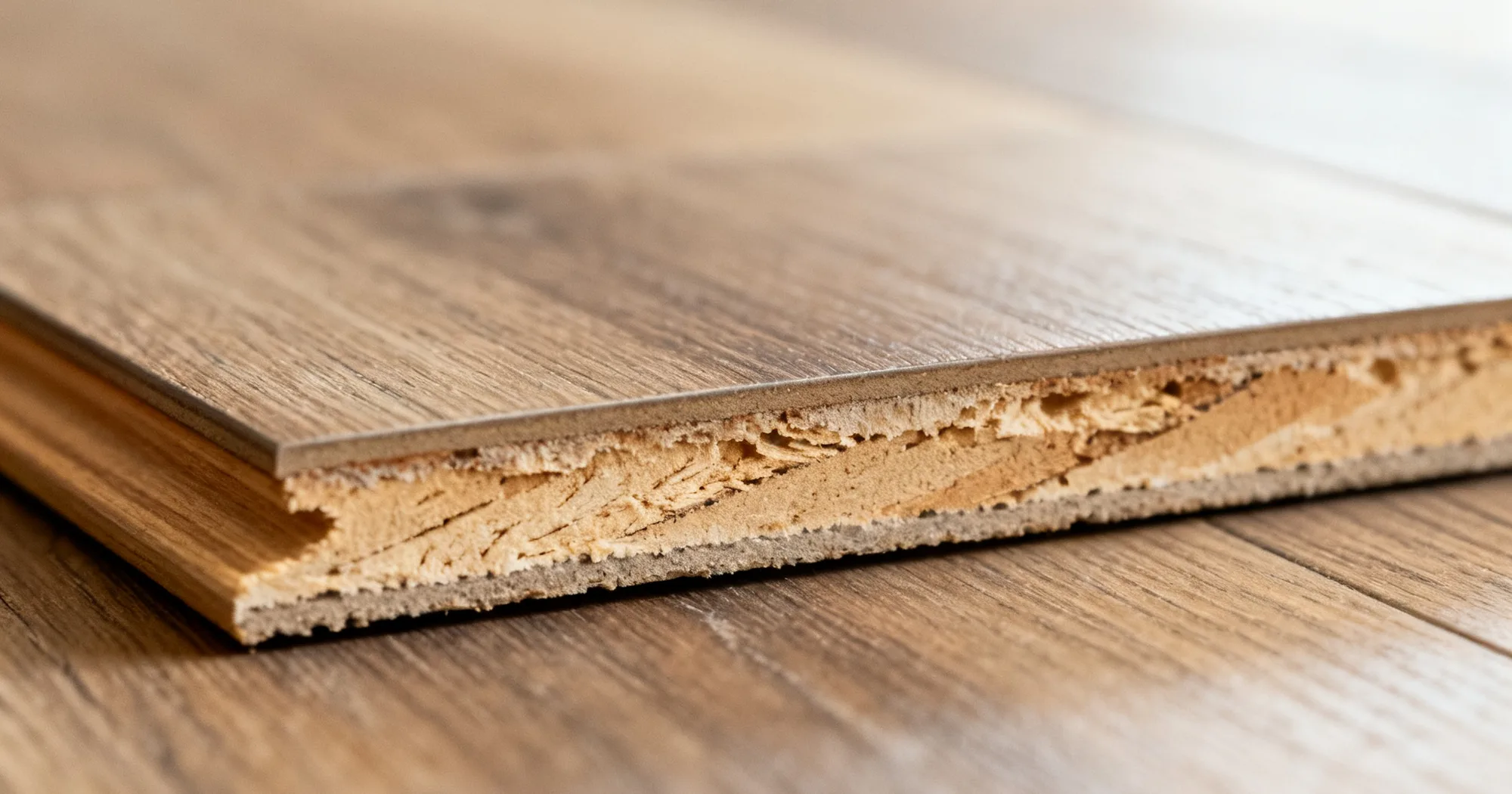
- Definition: The mil layer refers to the thickness of the wear layer on top of the flooring, measured in mils (thousandths of an inch). It is commonly used for vinyl flooring.
- Measurement: 1 mil equals 0.001 inches. Wear layers can range from 6 mils (for light residential use) to 20 mils or more (for heavy commercial use).
- Purpose: A thicker mil layer generally indicates better resistance to scratches, dents, and general wear and tear. For instance, residential flooring might have a 12 mil wear layer, while commercial flooring might have a 20 mil wear layer.
AC Rating
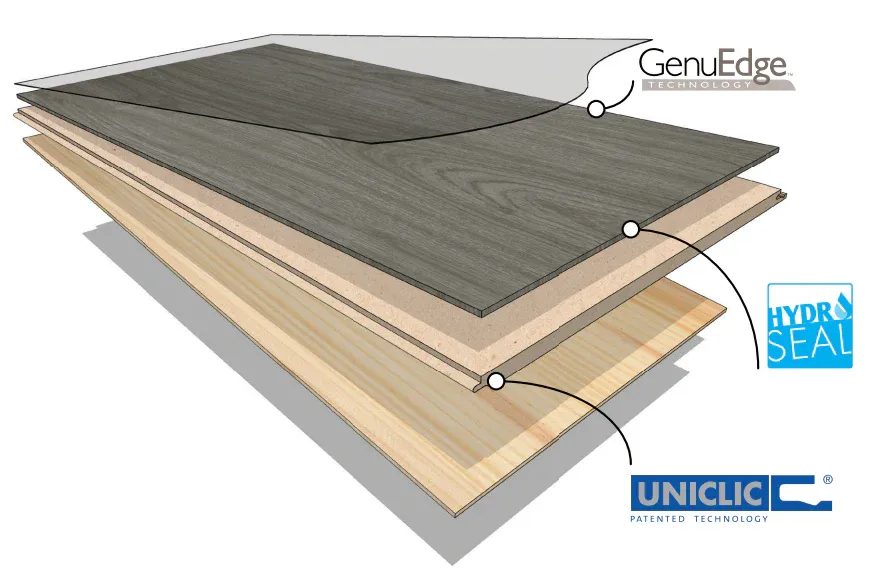
- Definition: AC rating (Abrasion Criteria rating) is a standardized measure used to rate the durability of laminate flooring. It is determined by a series of tests that evaluate the flooring’s resistance to abrasion, impact, stains, and burns.
- Measurement: AC ratings range from AC1 to AC5:
- AC1: Moderate residential use (e.g., bedrooms, closets).
- AC2: General residential use (e.g., living rooms, dining rooms).
- AC3: Heavy residential and light commercial use (e.g., kitchens, hallways, small offices).
- AC4: General commercial use (e.g., offices, cafes, boutiques).
- AC5: Heavy commercial use (e.g., public buildings, department stores).
- Purpose: Higher AC ratings indicate better durability and resistance to wear and tear. They help consumers choose flooring suitable for the expected level of foot traffic and usage.
Comparison
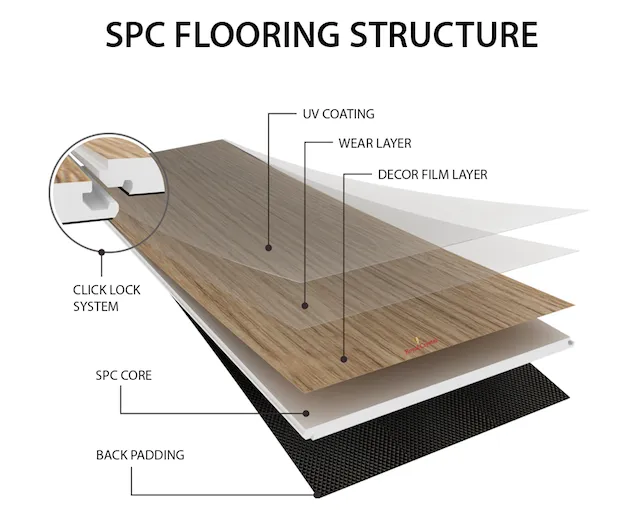
- Application: Mil layer is specific to vinyl flooring, whereas AC rating is used for laminate flooring.
- Measurement and Standardization: Mil layer is a straightforward measurement of thickness, while AC rating involves a series of standardized tests and a rating system.
- Usage Guidance: Both systems help in selecting flooring based on durability needs. A higher mil layer or AC rating means the flooring can withstand more intense use and has a longer lifespan.
Choosing the Right Flooring
When selecting flooring, consider the following:
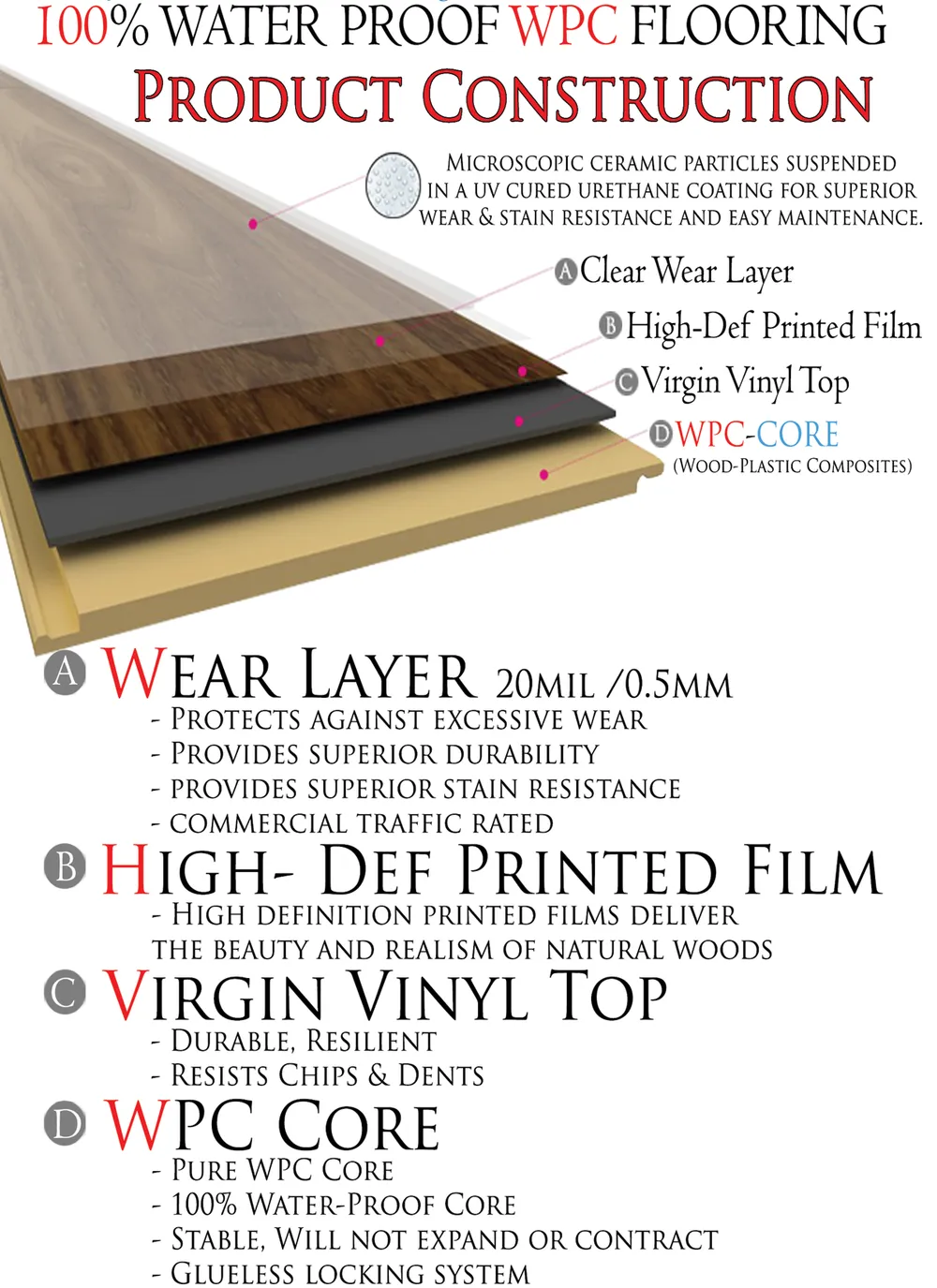
- For Vinyl Flooring: Look at the mil layer. Higher mils (e.g., 20 mils) are better for high-traffic areas and commercial use, while lower mils (e.g., 6-12 mils) might suffice for residential use.
- For Laminate Flooring: Check the AC rating. Higher AC ratings (e.g., AC4 or AC5) are suited for commercial spaces, while AC3 is often suitable for most residential applications.
By understanding both mil layer and AC ratings, you can make a more informed decision based on the expected use and required durability of the flooring. The major cost factors with LVP and laminate flooring are generally the wear layer and printed design.