Overview
When preparing for new flooring installation, homeowners often focus on aesthetics while overlooking a critical step: subfloor preparation. The article addresses a common question about whether leveling is necessary before installing new floors.
Key Points
What Is a Subfloor and Why It Matters
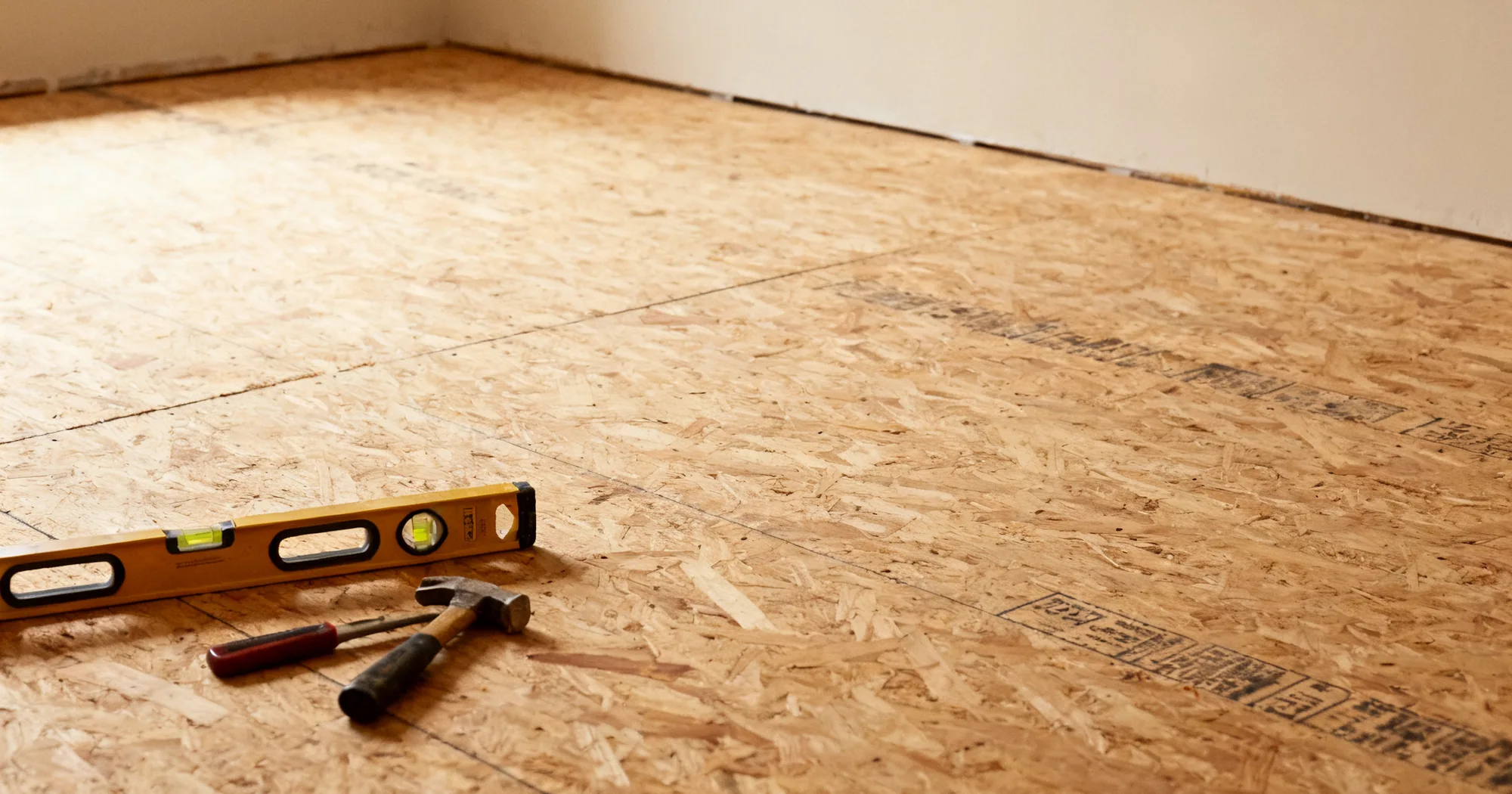
The subfloor is the base layer beneath finished flooring, typically made of plywood or concrete. It serves as the foundation supporting everything above it and significantly impacts flooring installation success.
Signs Your Subfloor May Need Leveling
Homeowners should inspect for:
- Visible dips or humps when walking across the floor
- Gaps under a straight edge or level
- Creaking or movement in certain areas
- Cracked or uneven concrete in basements or slabs
Even minor variations of “1/8” to 1/4“ per 10 feet“ can cause problems depending on flooring type.
What Happens If You Don’t Level the Subfloor
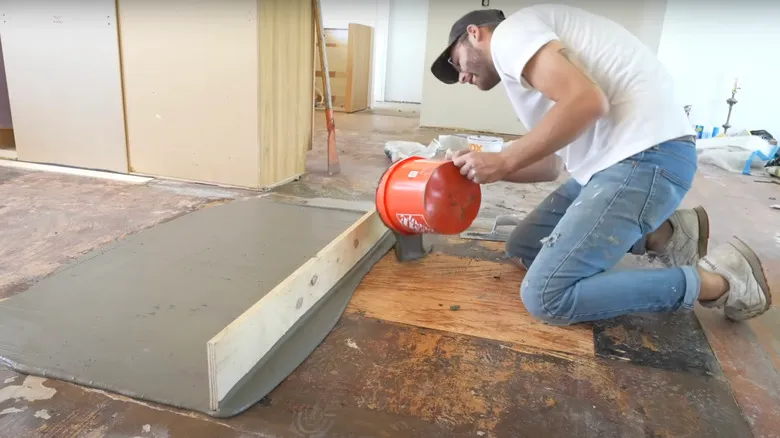
Skipping leveling creates problems:
- Uneven wear on high spots
- Gaps or buckling in floating floors
- Creaking or soft spots
- Voided manufacturer warranties
How Level Is “Level Enough”?
Tolerance varies by flooring type:
- Hardwood: No more than 1/8“ variation over 6 feet
- Laminate & Vinyl Plank: Limited tolerance for dips or ridges
- Tile: Requires perfectly level base
Professional Preparation Benefits
Professional installers ensure floors look flawless, last longer, and remain under warranty.
Conclusion
The article emphasizes that “leveling your subfloor isn’t just a nice extra—it’s a must for a quality flooring installation.”